A mother and child walk together at sunset in a rural village

A CIHR CATALYST GRANT · 2025—ONGOING

Closing the
Equity Gap

Multisectoral strategies to reach zero-dose and under-immunised children.

École de santé publique de l’Université de Montréal · UNICEF

Université de MontréalCanadian Institutes of Health Research
About the project

Reaching the children routine immunisation has left behind.

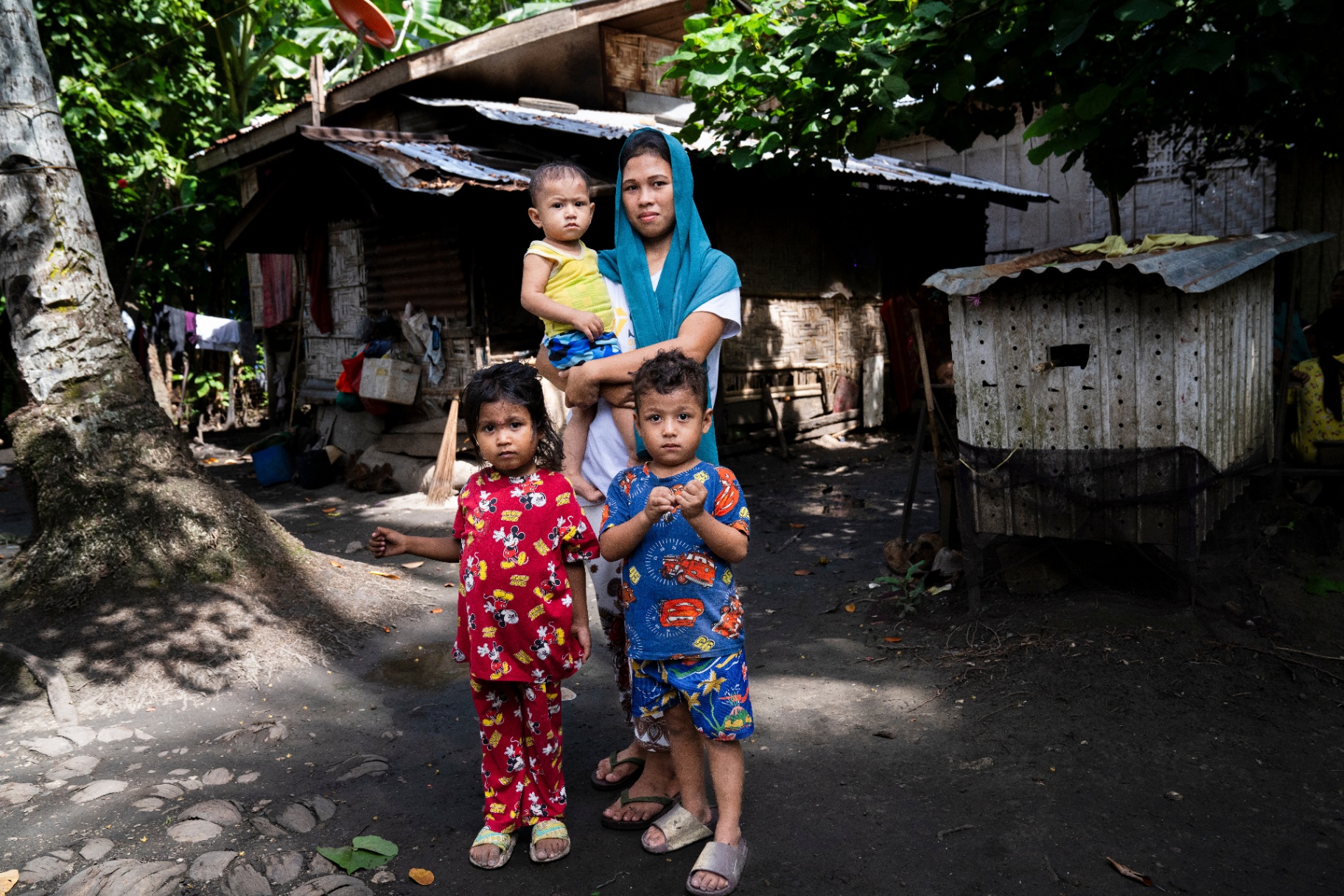
Each year, nearly 20 million children miss out on the benefits of vaccination. Zero-dose children — those who receive no vaccines through routine services — are among the most marginalised populations in the world, and the deprivations they face rarely come one at a time: families beyond the reach of vaccination often also lack access to clean water, education, civil registration, and social protection.

This project takes a different starting point. Rather than treating immunisation as a standalone health measure, it uses the broad reach of immunisation programmes as a foundation for delivering a comprehensive package of life-saving and developmental services. By addressing multiple deprivations together, multisectoral strategies aim to improve overall child survival and development in underserved communities.

Closing the Equity Gap is a Canadian Institutes of Health Research (CIHR) Partnering for Impact – Catalyst Grant (2025–ONGOING), co-led by the Université de Montréal School of Public Health (ESPUM) and UNICEF, grounded in UNICEF’s global guidance on multisectoral zero-dose strategies.

01

Synthesise the global evidence

Two scoping reviews update the international evidence base to inform research design and global policy. Audrey Beaulieu (Université de Montréal) leads a global review of strategies to reach zero-dose children since the launch of the Immunization Agenda 2030 (IA2030). Joelle Ducharme (Université de Montréal) leads the ARRIVE review, mapping evidence on the integration of immunisation within health services and across sectors.

02

Co-develop research protocols

In India and the Philippines, researchers, UN agencies, governments, and civil-society partners will co-develop country-specific, funding-ready research protocols for multisectoral strategies to reach zero-dose and under-immunised children — a foundation for larger, rigorous intervention studies.

03

Build equitable research partnerships

The project works with communities and partners to ensure an inclusive approach, and will evaluate how the research itself is co-produced, generating transferable lessons for equitable and effective research partnerships.

Country focus

Partnering where strong programmes, local leadership, and momentum create catalytic opportunity.

India

Uttar Pradesh

zero-dose (no DTP1)
4%

zero-dose (no DTP1)

under-vaccinated (no DTP3)
6%

under-vaccinated (no DTP3)

Source: WHO/UNICEF Estimates of National Immunization Coverage, 2024 (released July 2025).

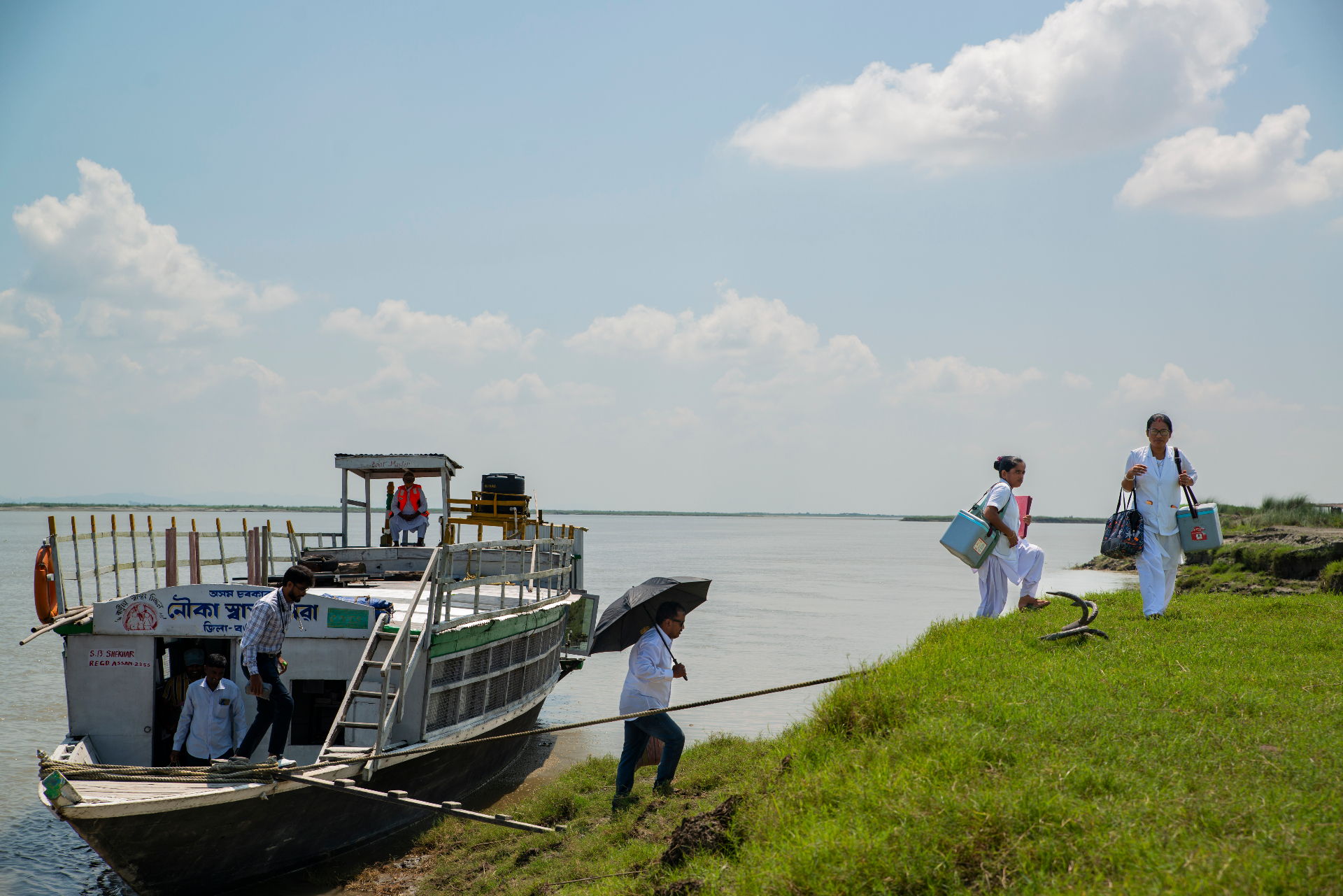
Despite very high national vaccination coverage, India ranks among the countries with the highest burden of zero-dose and under-vaccinated children globally in 2024. Localised gaps persist, driven by large birth cohorts and entrenched inequities. The project focuses on Uttar Pradesh, India’s most populous state on a rapid development trajectory. Working with UNICEF and government partners, the project will co-develop a research protocol with a rigorous evaluation design for a strategy that integrates routine immunisation with proactive delivery of social welfare entitlements, using India’s Direct Benefit Transfer system and the emerging Family ID platform as coordination mechanisms. The goal is to reach zero-dose households and communities while simultaneously addressing the multiple deprivations that keep them outside the reach of routine services.

Philippines

Manila & Taguig

zero-dose (no DTP1)
18%

zero-dose (no DTP1)

under-vaccinated (no DTP3)
29%

under-vaccinated (no DTP3)

Source: WHO/UNICEF Estimates of National Immunization Coverage, 2024 (released July 2025).

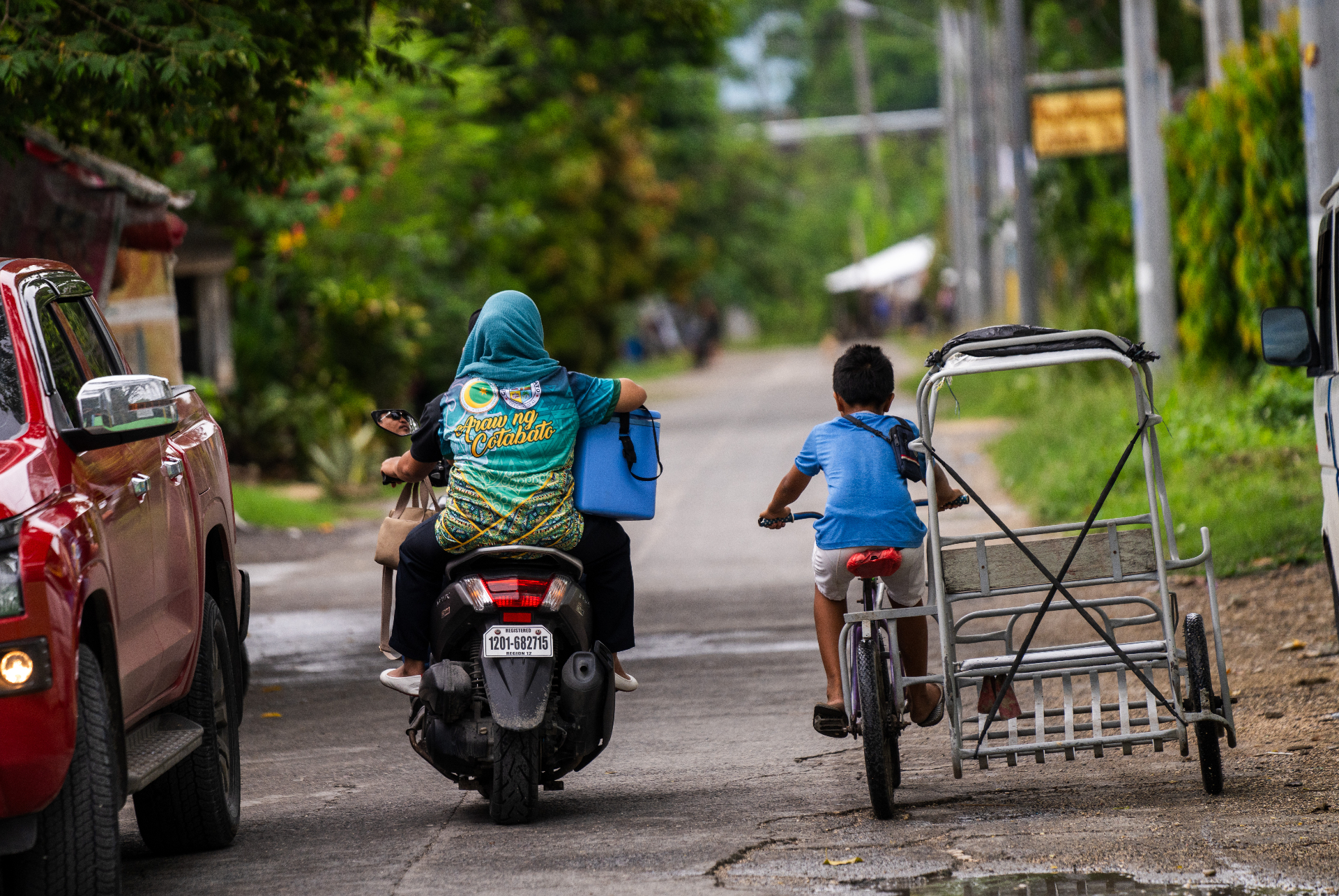
Despite recent progress, a high proportion of children in the Philippines remained zero-dose or not fully vaccinated in 2024, with persistent inequities in urban and informal settlements. Building on the Reaching Every Purok (REP) initiative — a UNICEF-supported programme implemented across 44 barangays in Manila and Taguig from 2016 to 2020 — the project will co-develop a research protocol for an expanded, rigorously evaluated multisectoral strategy. The aim is to clarify the effectiveness and scalability of approaches that strengthen primary health care governance and link immunisation across sectors such as early childhood education and social protection.
Team

A consortium of researchers, UN agencies, governments, and civil-society partners.

Université de Montréal

  • Professor Mira Johri

    École de santé publique — Project Co-Lead

UNICEF Headquarters

  • Dr Ibrahim Dadari

    Immunization Specialist — Coverage & Equity, Project Co-Lead

UNICEF India

  • Dr Ashish Chauhan

    Immunization Specialist, India Country Office

  • Dr Zakari Adam

    Chief of Field Office, UNICEF Office for Uttar Pradesh

  • Dr Praful Bharadwaj

    Health Officer, UNICEF Office for Uttar Pradesh

UNICEF Philippines

  • Dr Carla Ante Orozco

    Philippines Country Office

Additional team members

  • Dr Alyssa Sharkey

    Lecturer, School of Policy and International Affairs, Princeton University

  • Dr Étienne V. Langlois

    Team Lead, Knowledge Synthesis, Partnership for Maternal, Newborn & Child Health (PMNCH), World Health Organization

  • Dr Andrea Tricco

    Scientist and Executive Director, Li Ka Shing Knowledge Institute, St. Michael's Hospital; Professor, University of Toronto

  • Audrey Beaulieu

    Doctoral Trainee, École de santé publique, Université de Montréal

  • Joelle Ducharme

    Doctoral Trainee, École de santé publique, Université de Montréal

Collaborators

  • Dr Fred Carden

    Using Evidence Inc.

  • Dr Hope Johnson

    Director of Measurement, Evaluation & Learning, Gavi, the Vaccine Alliance

Civil society partners — India

  • Project Concern International (PCI India)

  • Raah Health & Social Development Foundation

Civil society partners — Philippines

    To be announced.

Further partners and team members will be added as the project develops.

Inclusive Steering Group (ISG)

The Consortium is governed through an Inclusive Steering Group (ISG) that provides project oversight and ensures inclusive governance throughout.

Contact
Funding

Supported by the Canadian Institutes of Health Research (CIHR).